NORDIC CHALLENGE ROUTE REPORT

by Anthony Preston

23rd January 2026

Like with the Austria to Athens Challenge in 2024, the recce for the Nordic Challenge proved to be somewhat of a ‘Marathon’ for Route Coordinator, Anthony Preston, as he travelled over 9,000 kilometres on a month-long trip around Scandinavia before the main winter snows arrived. In fact, the weather proved surprisingly pleasant although there were two days of snowfall and also Storm Amy (the worst storm in Norway for 30 years) did her best to throw in additional challenges. For a significant proportion of this journey, Anthony was ably assisted by Rob Dance.

As well as surveying a large number of roads and tracks, they met with local motorsport officials along with visits to hotels and rest halts. Notable among the local helpers for the event is Jonas Öhman, who has assisted with many previous classic rallies in his native Sweden. Jonas has also reached out to his network of friends and colleagues in both Sweden and the other Nordic countries to provides us support.

Day by Day Route Overview

Crews will gather on Sunday 28 June in the well-appointed surroundings of the Copenhagen Marriott Hotel, which is easy to access but close to the centre of the Danish capital. During the day there will be the usual pre-start activities of Scrutineering and Documentation. In the evening, we will enjoy drinks on the terrace and then move inside for a Welcome Dinner overlooking the waters of the Kalvebod Brygge. For those arriving early, the hotel is well located for visiting the sights in this, the world’s most ‘liveable city’.

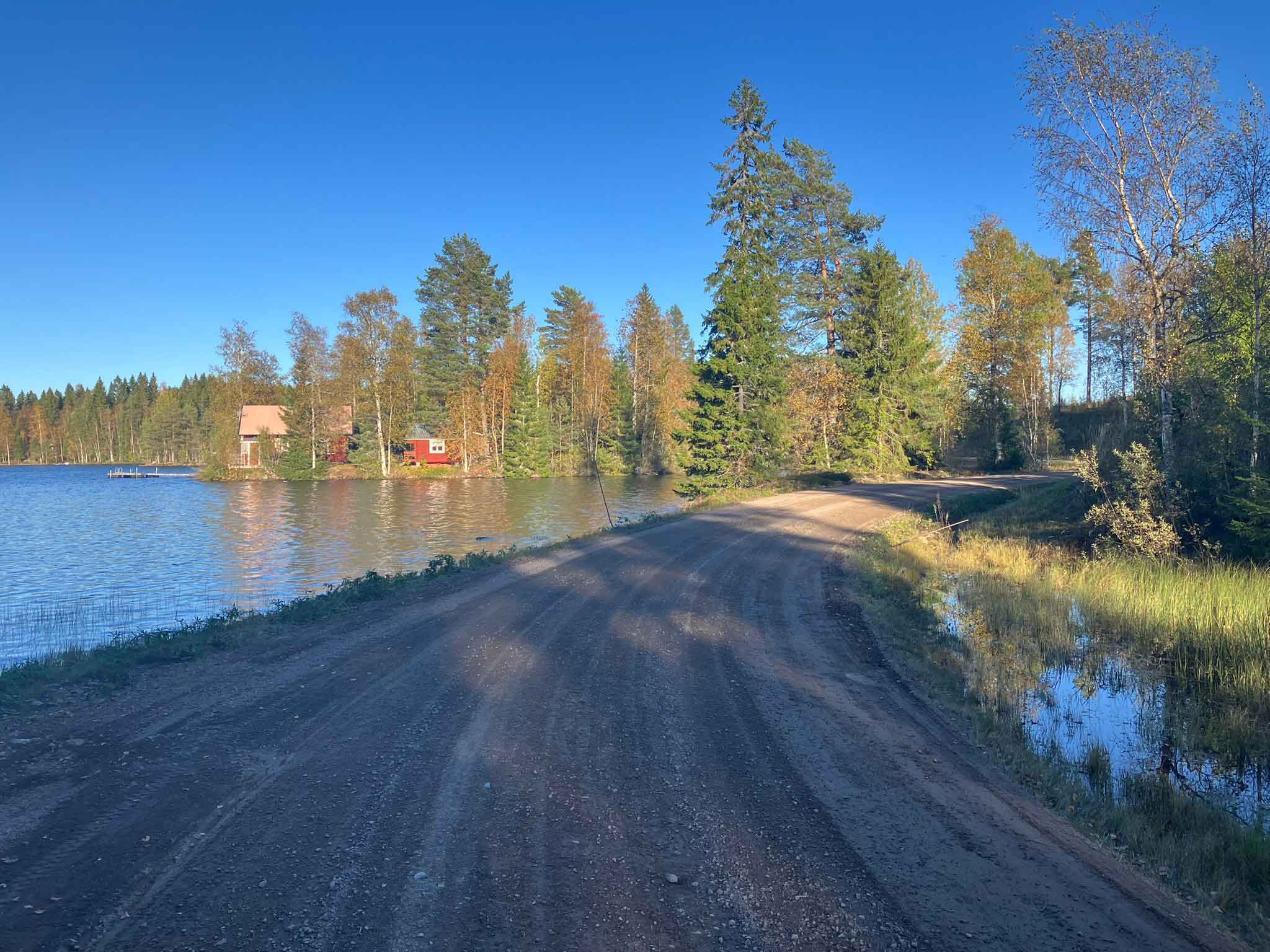
The next morning we will be flagged away from the hotel and quickly leave not just Copenhagen, but also Denmark, as we cross the impressive Øresund Bridge (with its equally ‘impressive’ toll fee, which you pay on the Swedish side) and make for a nice tarmac circuit close to Malmö for the first two Tests and morning refreshments. Turning north, the first Regularity follows and take us through rolling farmland that then gives way to large swathes of forests, punctuated by many tranquil lakes as we make for lunch just outside Älmhult – the home of IKEA.

In the afternoon, Regularities on gravel tracks will be combined with a Test on a rallycross circuit before we arrive at the lakeside Hjortviken Country Club, close to Gothenburg. You might be forgiven for thinking you have arrived in the Mediterranean based on the resort’s design style and that notion is further enhanced by dinner being hosted in their Spanish restaurant.

Day Two has plenty of variety as well as many lakes and even more trees – landscape features you will become well accustomed to during the first half of this event. In the morning, a visit to a well-known car museum precedes a great circuit Test using a variety of roads before twisty Regularities lead us to a tranquil lakeside lunch in a traditional Wärdshus (innkeeper’s house). You are assured of a warm welcome here as the Dutch owner is a big classic rally fan…

A shorter afternoon sees us enjoying a brace of sweeping forest Regularities punctuated by a refreshment stop in an old mill in the charming historic village of Borgvik, located on the shores of beautiful Lake Vänern. The day’s final destination is Sunne, the former home of football manager, Sven-Göran Eriksson and acclaimed writer, Selma Lagerlöf. In fact, our well-equipped spa hotel, on the outskirts of town, bears her name.

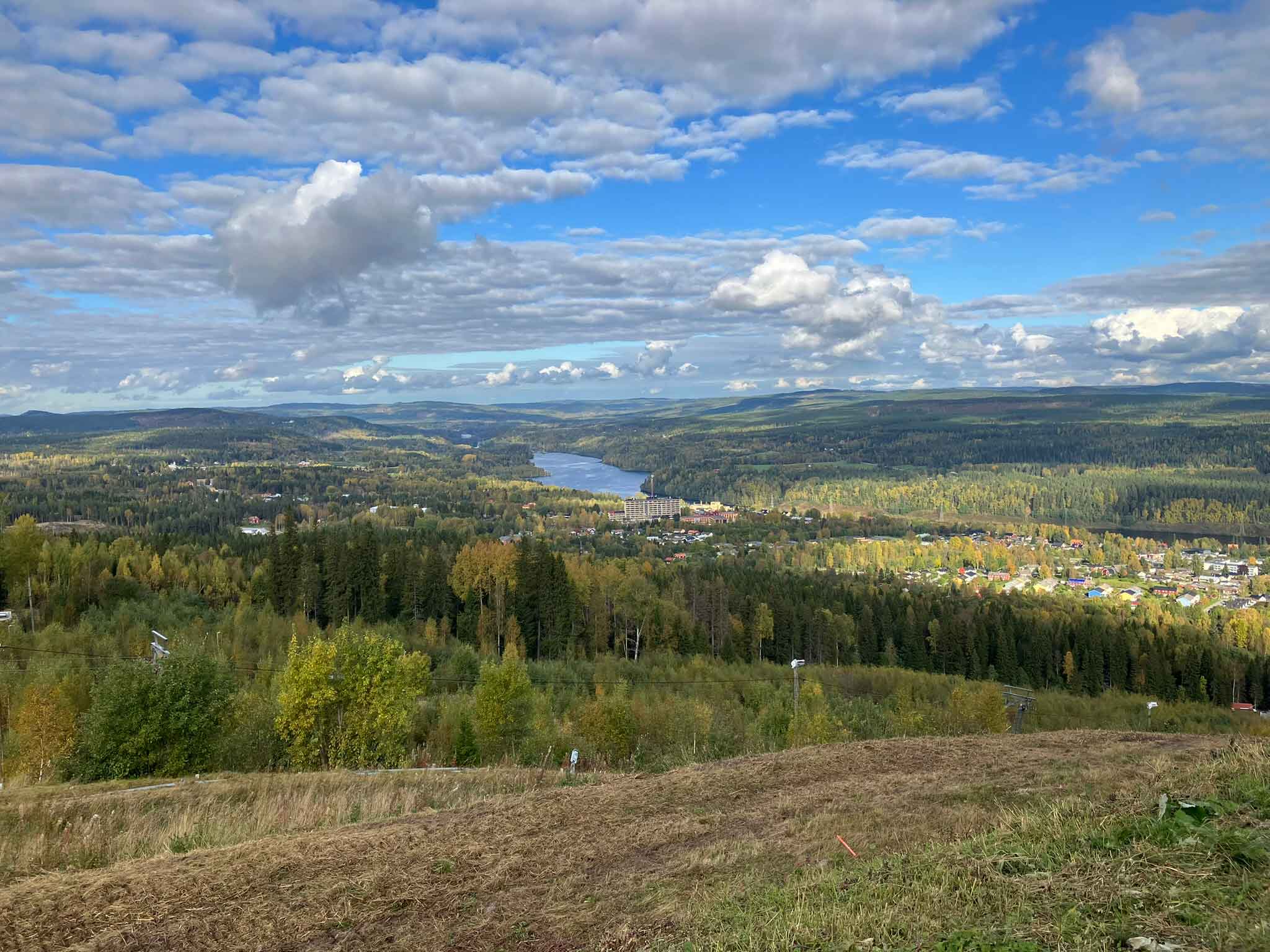
Our third day once again mainly follows the ‘trees and lakes’ theme before we emerge into the open farmlands further east. Starting the day, we have a nice little circuit Test before twisting gravel Regularities take us through the Värmlands län, a traditional heartland of Swedish rallying. Our refreshments halts today include morning coffee in a log cabin on top of the region’s highest hill and lunch at a lakeside opera house.

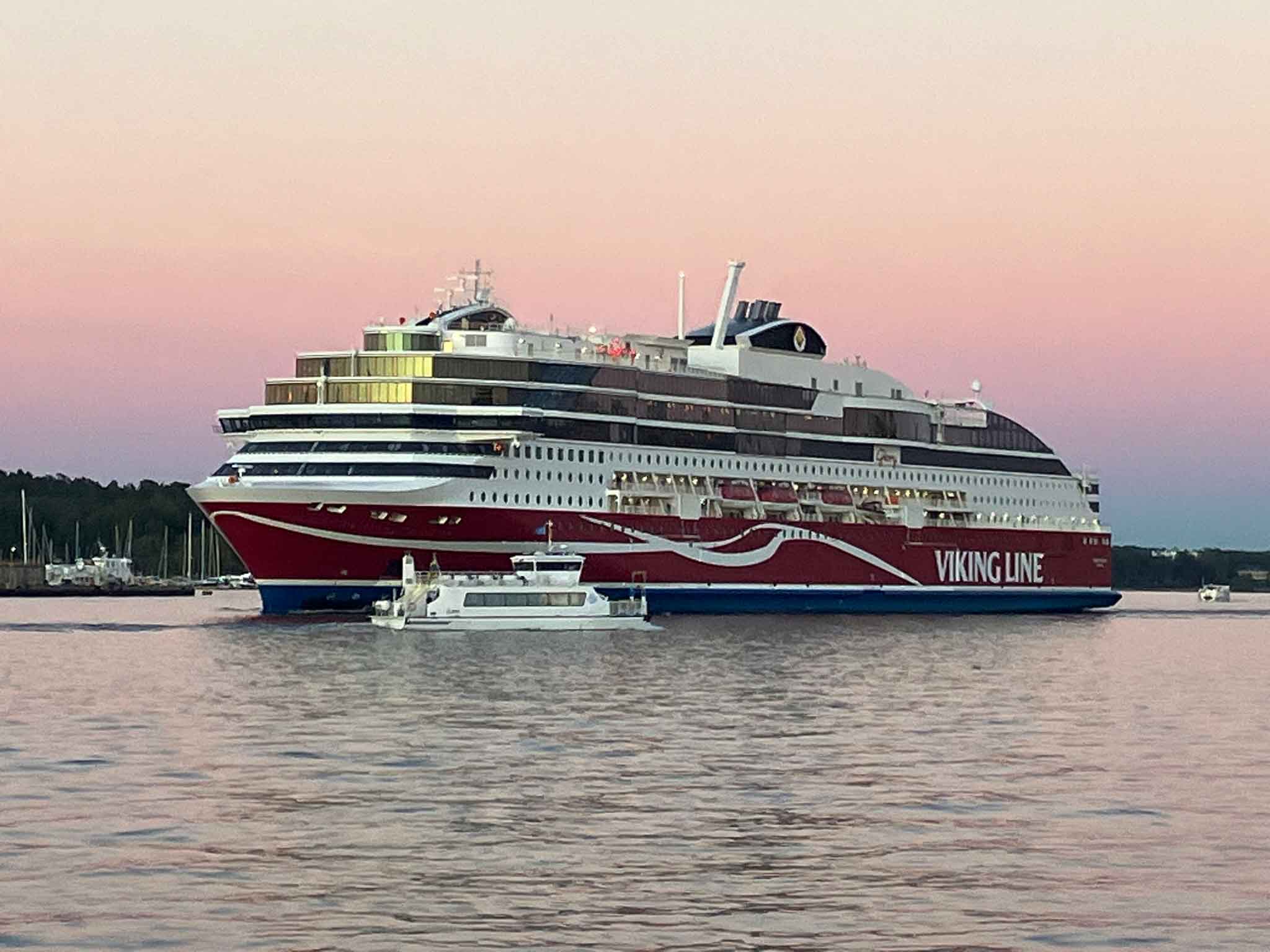
The afternoon competition is more limited as we have a ‘boat to catch’ but comprises a longer and more technical farmland Regularity before we reach a good tarmac circuit Test and the final MTC at Eskilstuna. From there, we join the motorway and head for the overnight ferry to Finland. The evening journey through the many islands of the Stockholm archipelago is said to be beautiful, however early darkness in October meant we saw little of this on the recce. What we can say is that the ferry itself is very comfortable and is more akin to a cruise ship than the cross-channel ferries that you might be used to…

Thursday sees an early arrival in our third country – Finland. After a quick disembarkation in the port of Turku, we restart from a nearby well-appointed motorway service area. The first gravel Regularity is a short distance away before a longer run brings us to a rally training school, where many of the great names have learned their trade over the last 30 years. Two excellent Tests are on offer here split by a morning refreshments break comprising traditional local fare.

We then head into the forests for the rest of the day to enjoy some of the exciting rollercoaster roads from the 1000 Lakes Rally before arriving in Jyväskylä – the traditional ‘hometown’ of Finnish rallying. In fact, our hotel is located right next to the current service park and headquarters for the World Championship rally, which actually acts as our overnight parking area.

It is more of the same on Day Five, with a mix of well-engineered gravel road Regularities combined with a smattering of circuit Tests and, all being well, a morning break at a rally-themed museum. Overall, this is a shorter driving day as we once again have a ferry to catch. Before boarding, however, a late lunch will be available at a hotel close to the port.

While smaller than the previous ‘cruise ship’, the Wasaline ferry from Vaasa to Umeå is once again very comfortable and the 4-hour crossing back to Sweden should provide you with a relaxing afternoon on this, the world’s northernmost year-round international ferry route. Having disembarked, it is a short 30-minute drive to our hotel in the centre of Umeå. This is a university town, which motorsport fans will also know as the current host of Sweden’s round of the World Rally Championship. Today will be a free dining evening so you can either have an early meal on the boat, eat in the hotel or else head out to one of the nearby restaurants.

An earlier start is required the next morning as the longest day of the event beckons which will take us across the vast forested landscapes of northern Sweden, where you might even spot a moose as we did on the recce… With such a big distance to cover, we need to include a fair amount of ‘main road’ to get the kilometres ticked off. Nevertheless, we will head off the beaten track to enjoy some gravel Regularities and, if plans work out, a variety of Special Tests as well as lunch with a view in a ‘hilltop’ hotel.

After over 500 kms on the road, the ski resort of Åre will be a welcome sight and the other vista that will provide a pleasant change is that of the first proper mountains of the event as we climb to our final destination – the Copperhill Mountain Lodge. This luxurious mountain hotel (one of the largest wooden buildings in the Nordic region) should provide all the comforts you require after this ‘marathon day’.

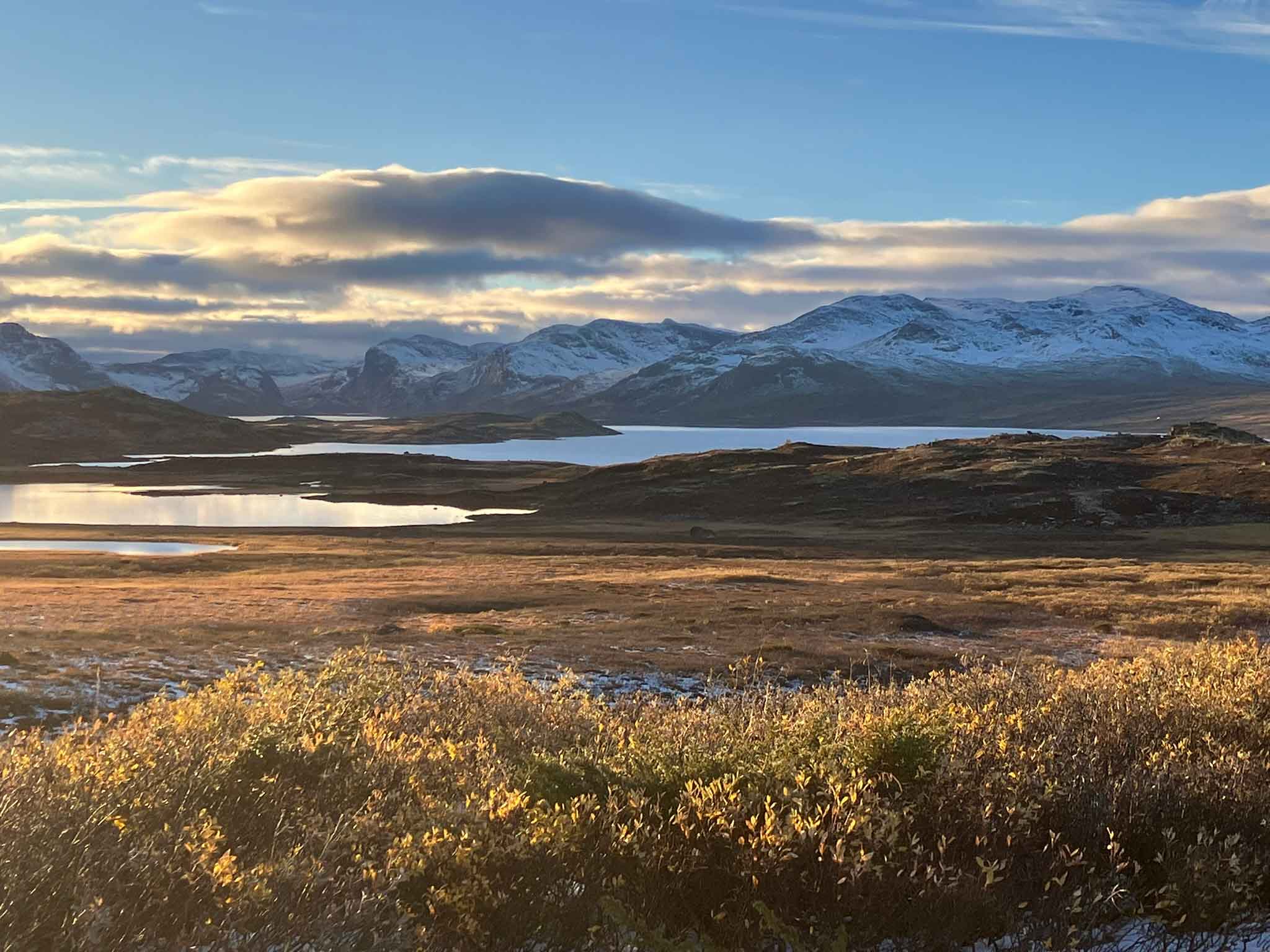
A shorter Day Seven begins with an easy run over scenic moorland and across the border into Norway. Our final country boasts the most distinct and spectacular scenery of the event, as we will see in the coming days, and even within this first hour, the landscape changes are apparent. The first competition of the day is planned at an interesting tarmac circuit, but we are still awaiting confirmation for this. We then stop for morning refreshments at the Stiklestad Cultural Centre.

A brace of Regularities then take us through the rolling farmland of Trøndelag County where green fields dotted with wooden farmhouses replace the seemingly endless forests of the previous days. Lunch in a traditional hotel (complete with turf roof) brings another different vista as it is picturesquely located overlooking over a fjord. This is actually the Trondheimsfjorden, which will be our companion for the rest of the afternoon as we tackle further mixed surface Regularities and end the day’s timed motoring with a challenging Test at the ‘Hell Raceway’.

From there, it is an easy run into Trondheim, the third most populous conurbation in Norway and the country’s historic capital until 1217. Despite its northerly latitude, the city has a relatively mild oceanic climate and a general cosmopolitan feel. Our hotel, the 5* Britannia, with a rich history dating back to 1870, is located right in the centre close to the attractions and restaurants.

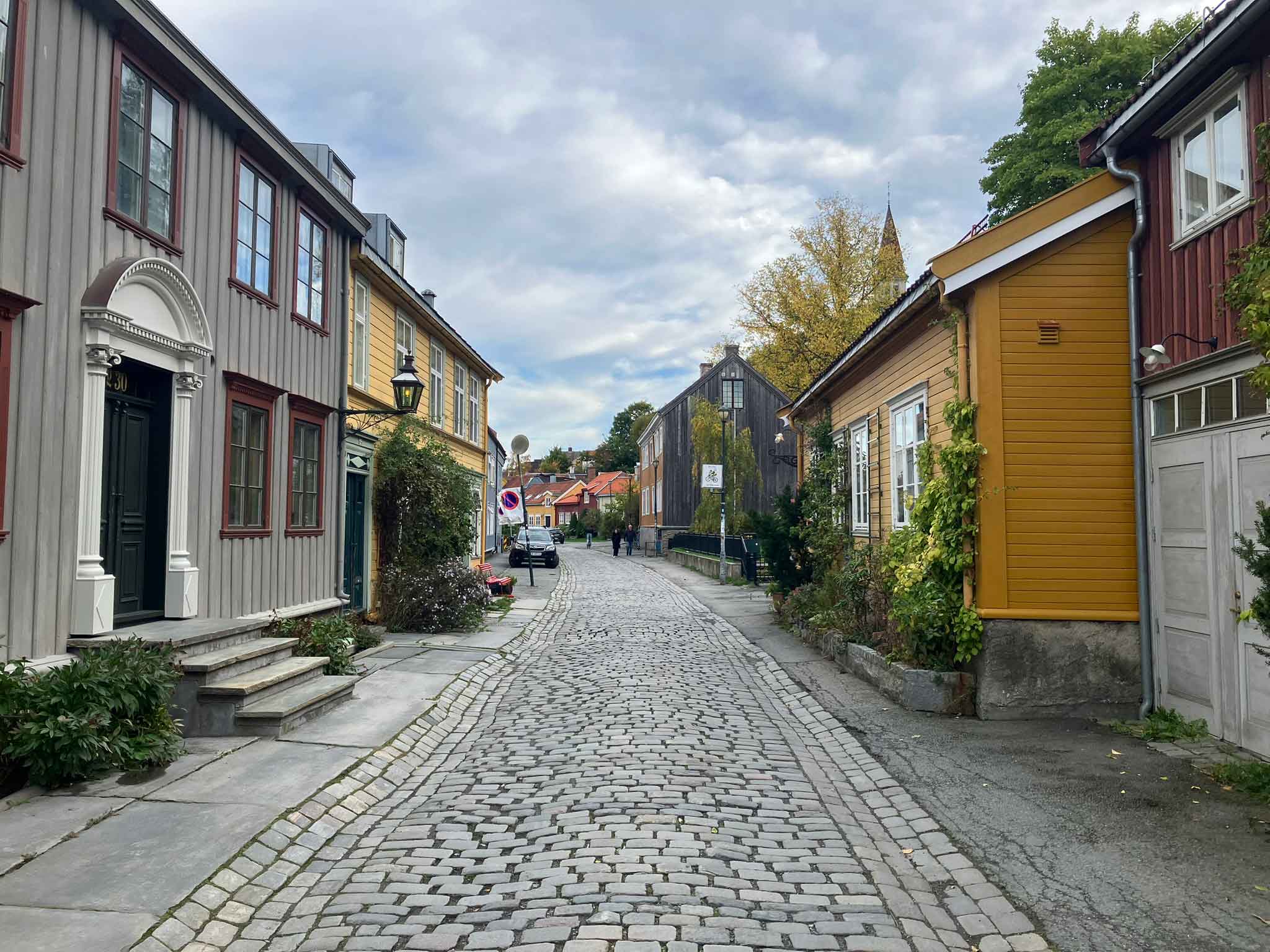
The only Rest Day of the event follows and the cultural activities on offer here are multiple with the chance to visit a variety of museums and the impressive Nidaros Cathedral. Otherwise, you might be tempted by a ride on the world’s northernmost tram line or a boat trip on the Nidelva River and the Trondheimsfjorden. If you prefer a more relaxing day, however, the Britannia Hotel offers a luxurious wellness centre and there is a choice of restaurants either in-house or close by in the charming cobbled Bakklandet district – Trondheim’s old town.

Suitably refreshed, Day Nine sees us begin our journey through ‘Fjordland’ – home to some of the world’s most stunning and unique landscapes. Before we reach there, we have a busy morning start with a couple of Regularities, a Test and a refreshment stop in the Orkdalen. Then, a longer run along the increasingly picturesque Sunndalen takes us to lunch in Sunndalsøra.

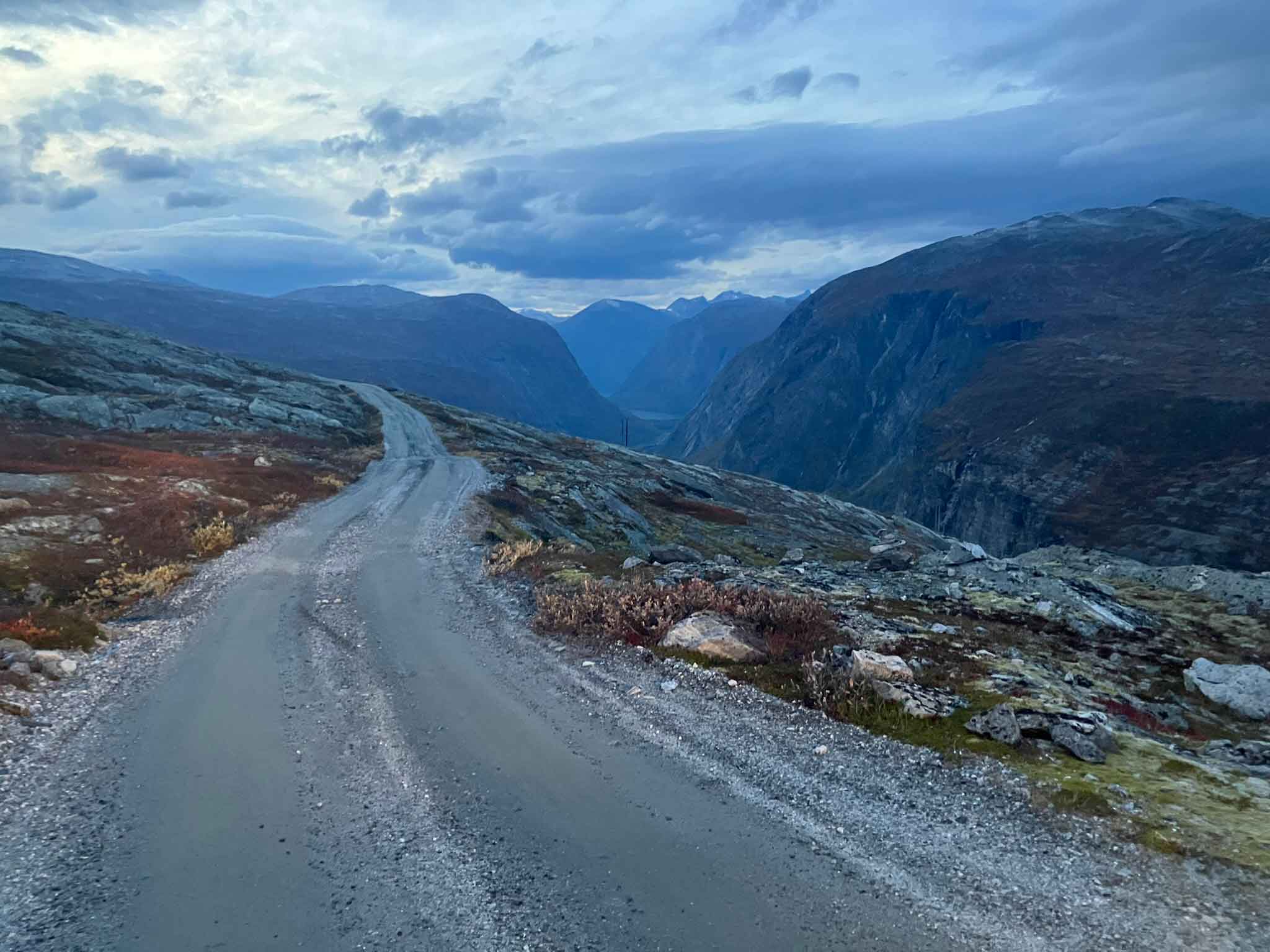
Surrounded by towering mountains and majestic waterfalls, we get a preview here of what is to come during the afternoon as we climb high on a long bom vei (toll road) loop through some of the best scenery that Norway has to offer – fingers crossed for a fine day… Descending from these lofty heights, we stop for afternoon tea before skirting a number of fjords to reach the coastal town of Molde. Here we will stay in the uniquely designed waterfront Scandic Seilet hotel that offers impressive views of the Romsdal Alps across the fjord.

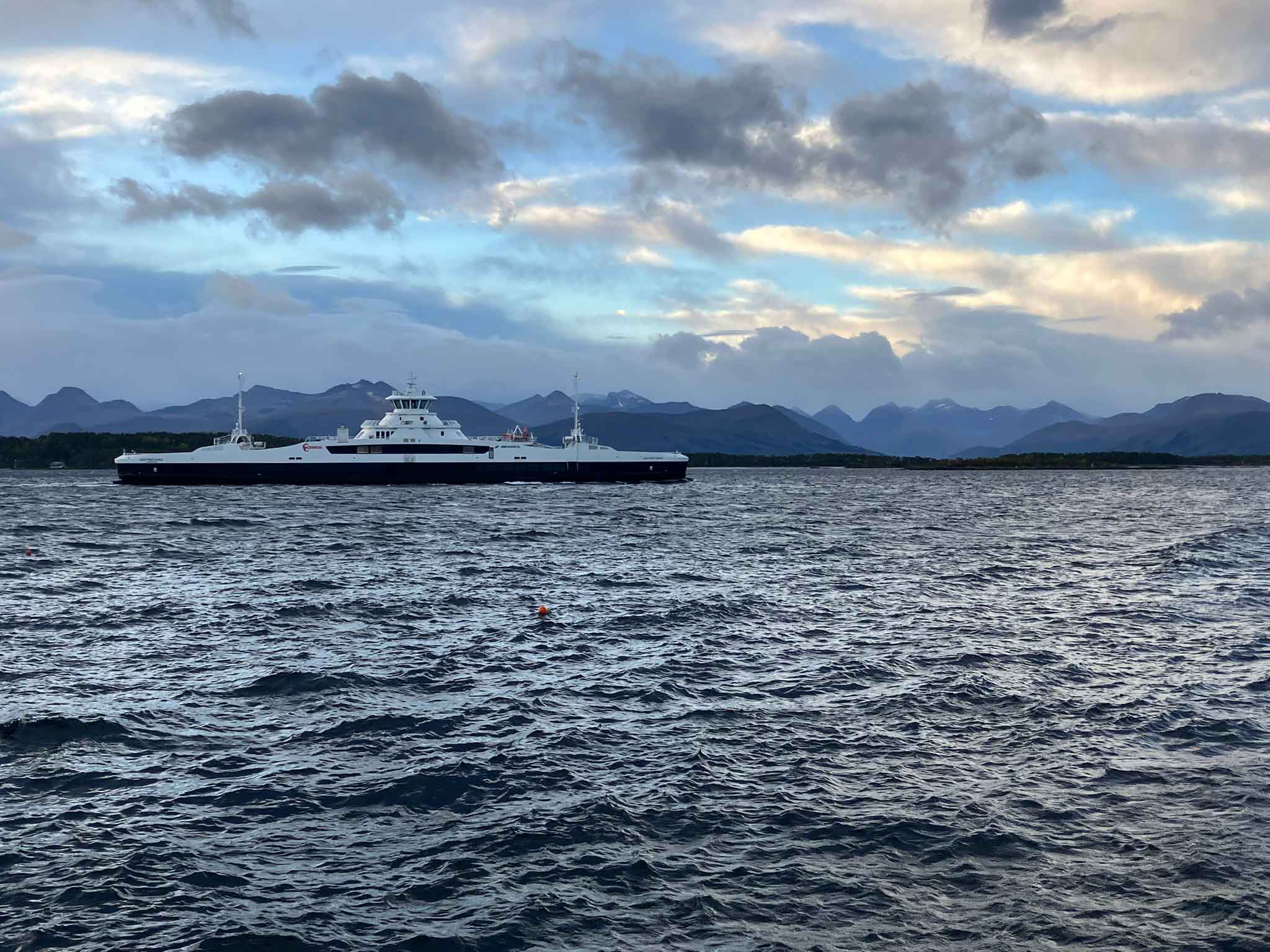
And that is where we will be heading the next morning, as we board the first of four cross fjord ferries that feature on the event. These ferries are an integral part of Norway’s travel heritage and still provide a vital role in transporting vehicles up and down the coast. As you will quickly come to expect in Norway; they are clean and efficient as well as having good toilets and decent café facilities on board. The 30-minute journey to Vestnes is the longest and perhaps the most attractive of all our event crossings.

Rally timing for the day will start once ashore and includes a scenic Regularity before a second shorter boat trip across the Norddalsfjorden delivers us to the morning refreshments halt in Stranda. While the level of competition will be less than earlier in the event, due to the limited road network in these parts, the scenery on offer should more than make up for this.

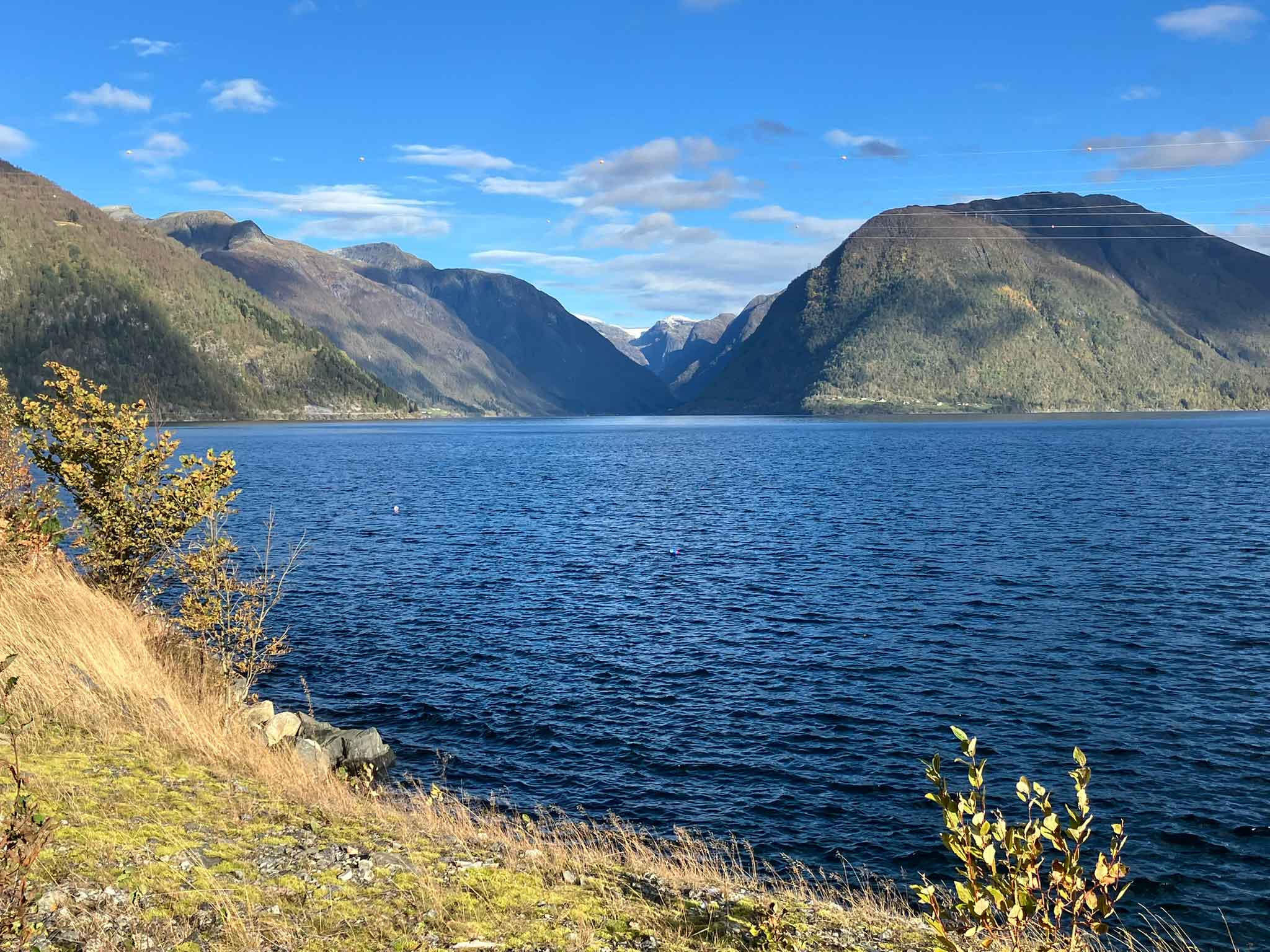
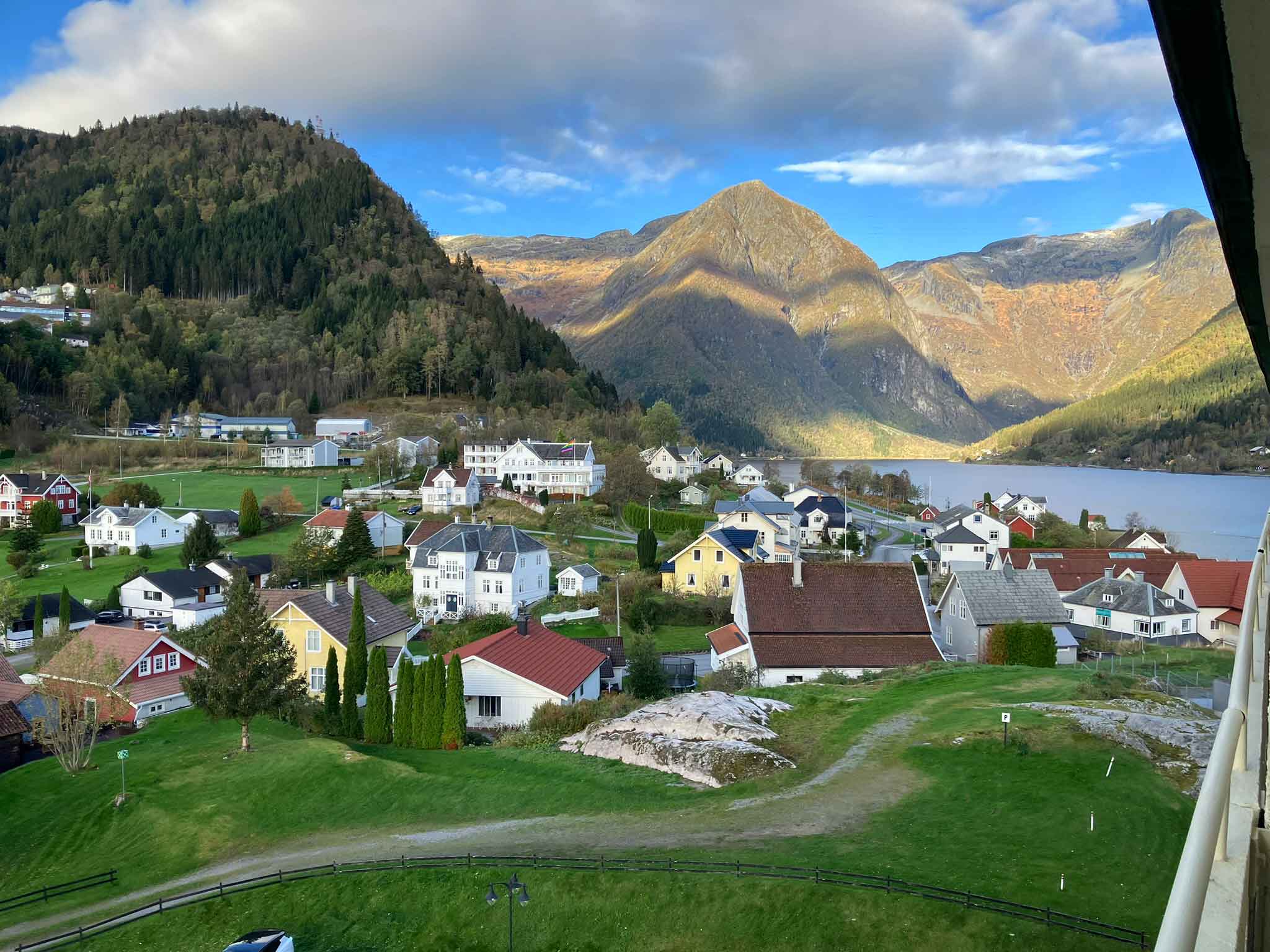
That is not to say we will ‘touring’ today with two further Regularities and, hopefully, a Test to keep us entertained before we cross the impressive bulk of the Gaularfjellet to reach the little village of Balestrand (population – 785 residents). This is home to one of the country’s most iconic hotels, Kviknes, sat right on the water’s edge. Said to be the first ‘fjord hotel’ in Norway, the original inn dates back to 1852 and the current hotel has been managed by the Kvikne family since 1877.

Another day and another duo of morning ferry crossings on Friday take us east and south across the Sognefjorden, the longest and deepest and Norway, with a planned small circuit Test along the way. There will be no planned refreshments halt this morning but there will be plenty of opportunities to grab a drink and snacks on one of the ferries or at a well-stocked fuel station or even at the bakery in Lærdalsøyri.

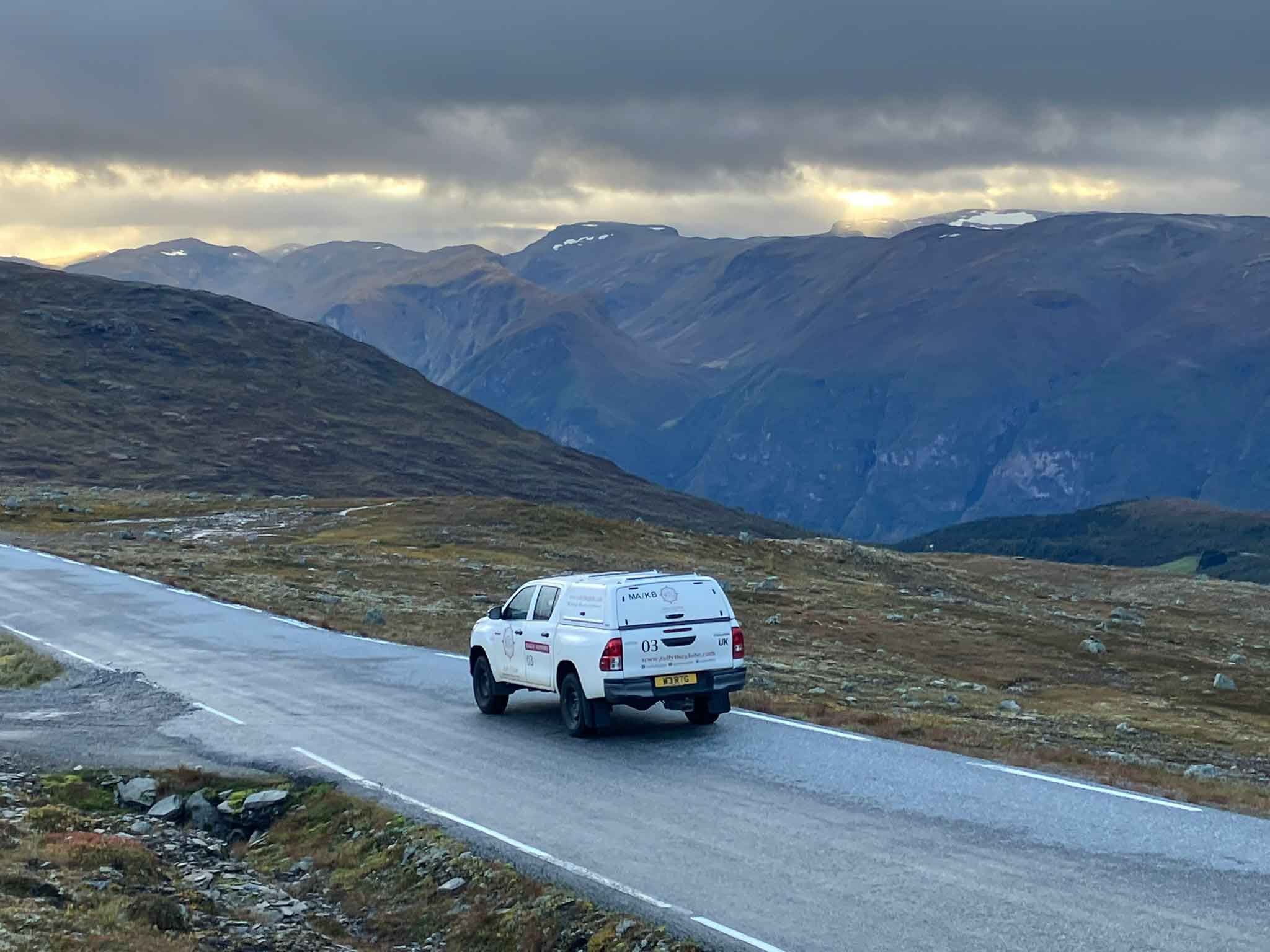
From there, the rallying for the day begins in earnest as we climb the scenic Aurlandsfjellet. This is also known as the ‘Snow Road’ and don’t be surprised to see roadside snowbanks and ice-covered lakes even in July. The views up here are breathtaking, as is the famous vista over the Aurlandsfjorden on the far side. Sadly, this is not a well-kept secret and patience will be required on the hairpinned and sometimes narrow descent as there are likely to be many other vehicles (including motorhomes) also wishing to enjoy this unique scenery.

We do not stay in the valleys for long and are soon climbing again, through many tunnels, to reach lunch in a traditional mountain lodge. Having left the fjords behind us, the rest of the day will be characterised by crossing high mountain plateaus that offer big vistas across to distant snowy peaks. In between we drop down into the valleys to tackle a number of Regularities and a good circuit Test prior to arriving in the ski resort of Geilo for our penultimate night’s stay in a high-end resort hotel on the edge of town.

The final day gets under way with a run over the hills to Dagali and the large surfaced expanse of the nearby ‘airport’. In winter, this is home to the John Haugland Winter Rally School, and we must thank John for helping us to arrange a good Test here that will provide some variety from the previous circuits.

We are now in the Buskerud region which is characterised by more rounded and heavily forested hills than the wilder landscapes of the last few days. These uplands are bisected by a series of long and deep glaciated valleys, and we follow one of the largest – the Numedal – south towards Kongsberg. Along the way, we take in an interesting toll road Regularity and a pleasant morning refreshment stop in a traditional roadside inn (or Vertshus).

This break precedes the final Regularities in the forests to the east of Lampeland, a traditional Norwegian rallying heartland. The tracks here are reminiscent of the rollercoaster roads of Finland and provide a fitting finale to our Nordic adventure, which might just shake up the results sheet.

Speaking of which, we stop for a relaxed lunch by the side of the Tyrifjorden and then have an afternoon ‘touring’ run around the fjord and down to Oslo, while the scores are being added up. This means that the final leaderboard should be available by the time you arrive in Holmenkollen, the ‘home of the Ski Jumps’, on the hillside above Oslo. Our hotel, the Scandic Holmenkollen Park, was first opened in 1894 and is regarded as one of the prime examples of Dragestil (dragon style) architecture in Norway. Sat overlooking the Norwegian capital and the surrounding fjords, it provides an ideal location to sit back and reflect on a unique 12-day voyage of discovery through Scandinavia, while enjoying a glass of Aquavit or whatever your favoured celebratory drink might be…

General Route Information

Distances and travelling times – The total distance for the event will be around 4,300 km, with daily totals varying from 280 km to the longest day at over 530 km. On average, the daily travelling times will be around 9.5 hours but there will be at least two, and often three, refreshments stops each day allowing decent leg stretches and breaks from driving.

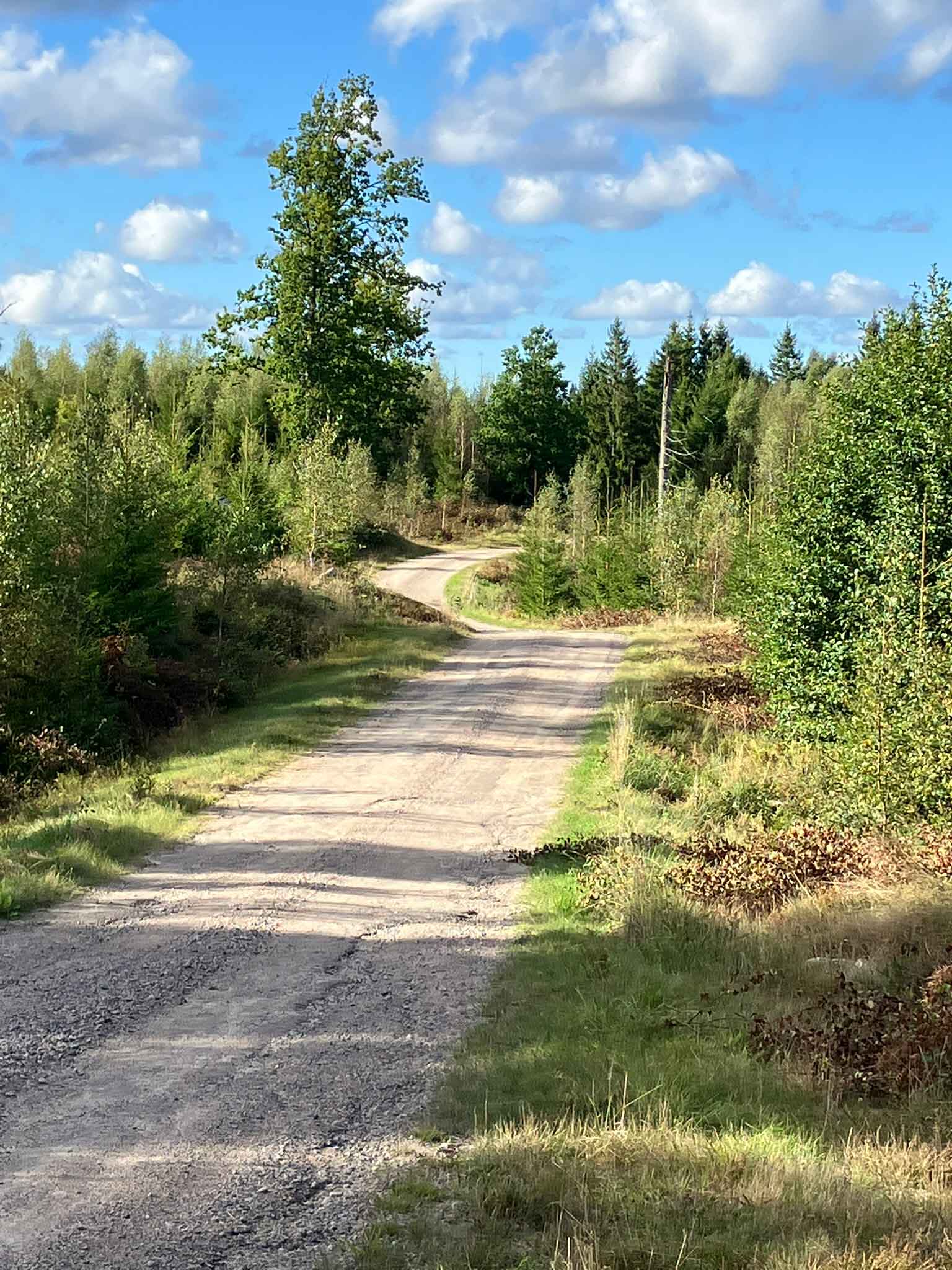
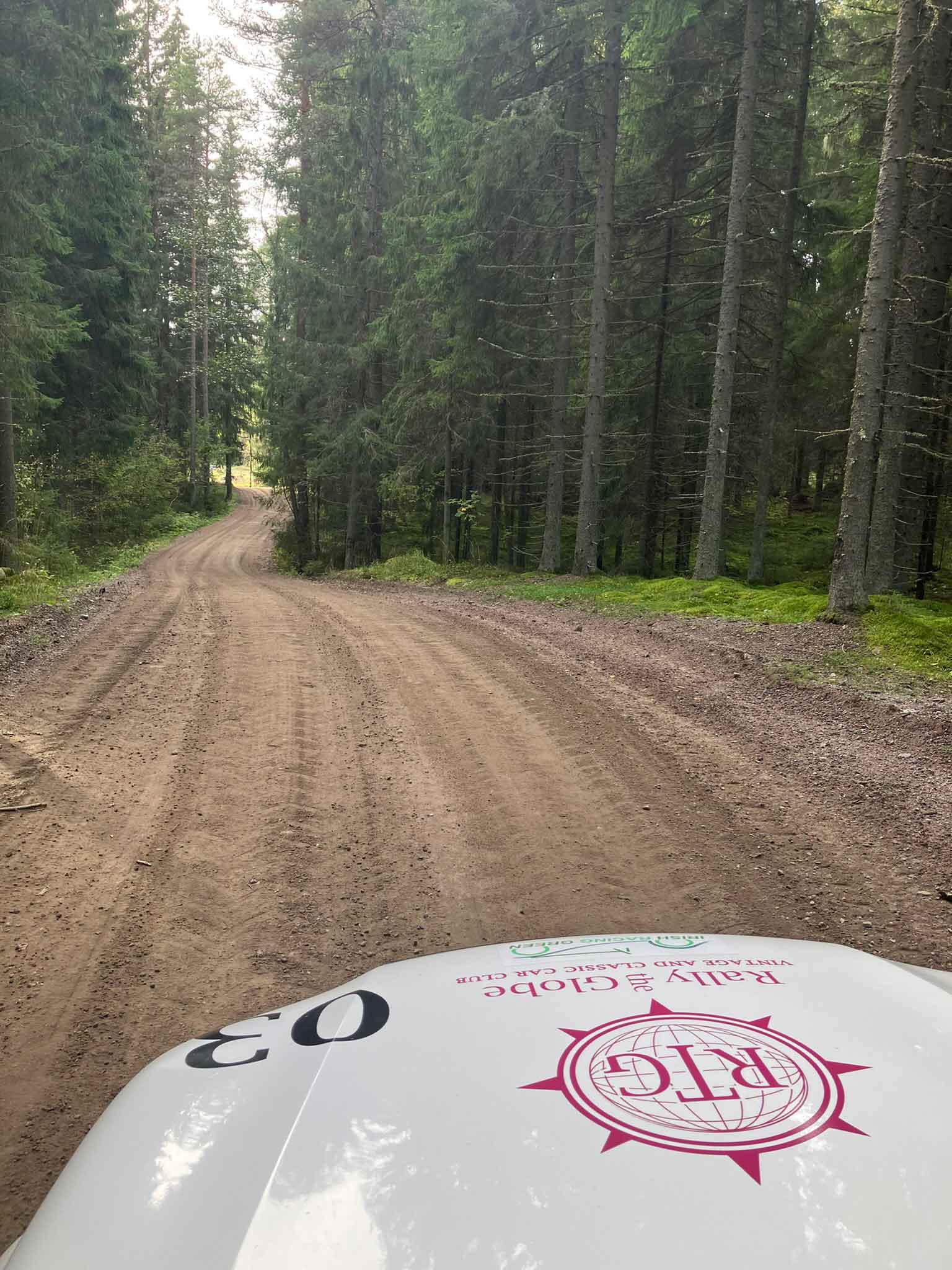
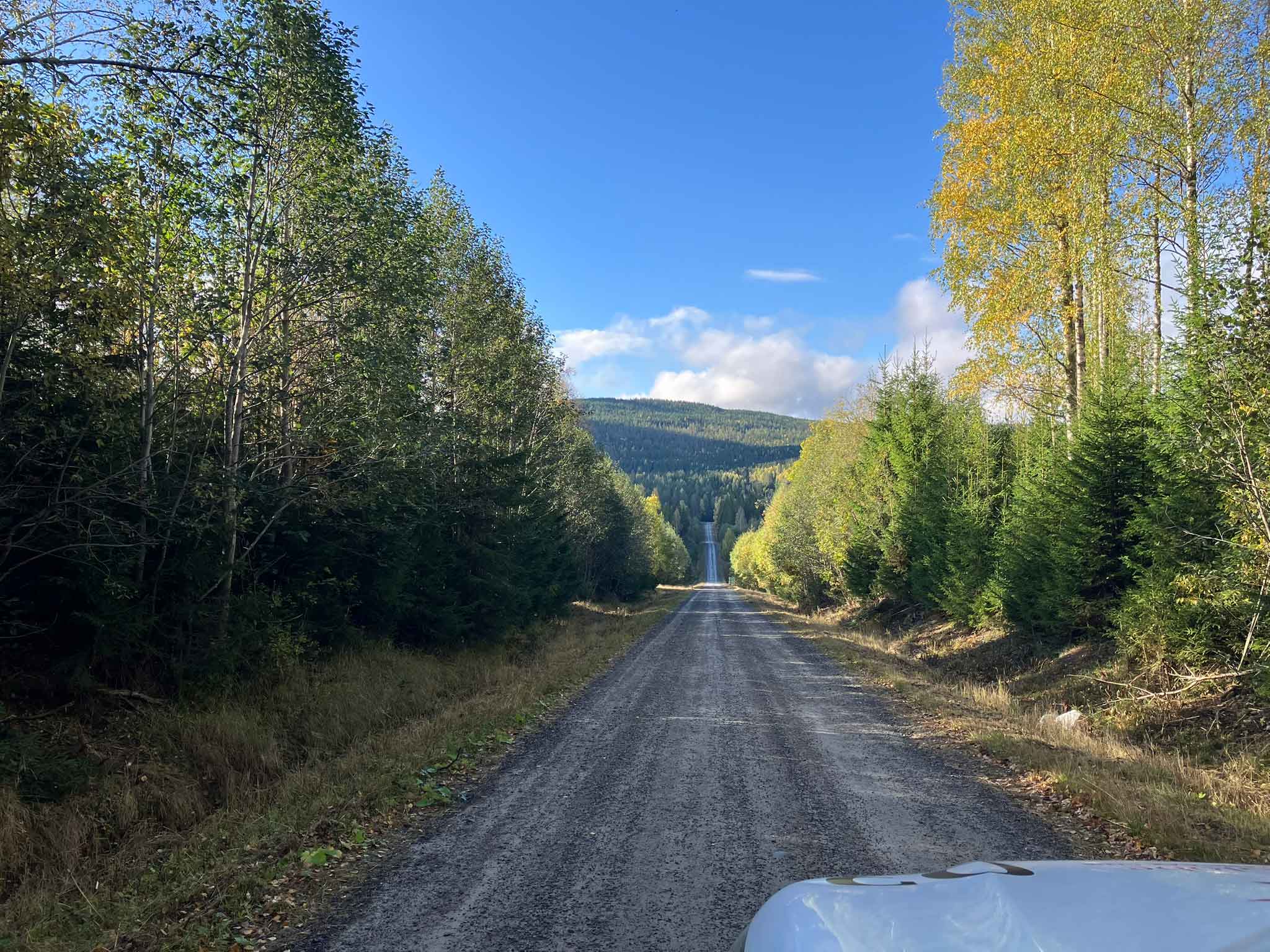
Gravel roads – As noted in Newsletter One, there are around 650 km of gravel roads on the whole route. But unlike the loose stony gravel of most private farm and forestry tracks in the UK and other countries, the unsealed roads in the Nordic countries are of a more substantial and car friendly construction. The surface is akin to hard packed dirt and at times it is hard to tell whether you are driving on sealed or unsealed surfaces, and often the latter are smoother as they are more easily repaired after winter weather damage.

Road and ferry tolls – In both Sweden and Norway, a number of the major roads operate under a toll system. They are mainly found near the major cities of Stockholm, Trondheim and Oslo and are monitored via ANPR cameras (or tag systems) operating from overhead gantries. Likewise, the cross-fjord ferries in Norway now work on automatic payment systems. These are tolls that we will not be able to arrange group payments for, and so competitors will need to pay them independently. We are looking into the tag systems, but it is likely that the most cost-effective option for such a short trip will be to register for one or two of the online payment schemes, as used on the recce. More details on this matter will be provided in a future Newsletter. The other major toll that you will need to pay yourselves is the Øresund Bridge toll just after the start on Day One.

In Norway, we will also be using a number of private gravel toll roads on the Regularity Sections. Unlike the old days where these operated with an honesty box system, they now also feature ANPR cameras. It is our intention to arrange group payment of these tolls (as part of the main entry fee) during the authorisation process to use these roads. Again, any changes to this plan will be advised in a future Newsletter.

Fuel stations – The Scandinavian countries are fast becoming ‘cashless societies’ where contactless card and other automatic payments dominate. As noted above this is the norm for road and ferry tolls. It is also the case that most fuel stations operate a pay at pump scheme even where there are manned retail outlets attached. In order to pay with cash you need to speak to the staff inside to make the arrangements necessary.

Car parking – One feature of this event that is different to most of our other rallies, is the lack of hotel-owned car parks on some nights. This is mainly apparent in the towns and cities where we need to park in nearby municipal car parks. This means that on some nights you need to pay yourself for this parking and also, as outlined in Newsletter One, there will not be an easy luggage drop off facility available. In all these cases, the car parks are only a short walk away from the hotel.


image